Winter on a Small Homestead: The Slow Season
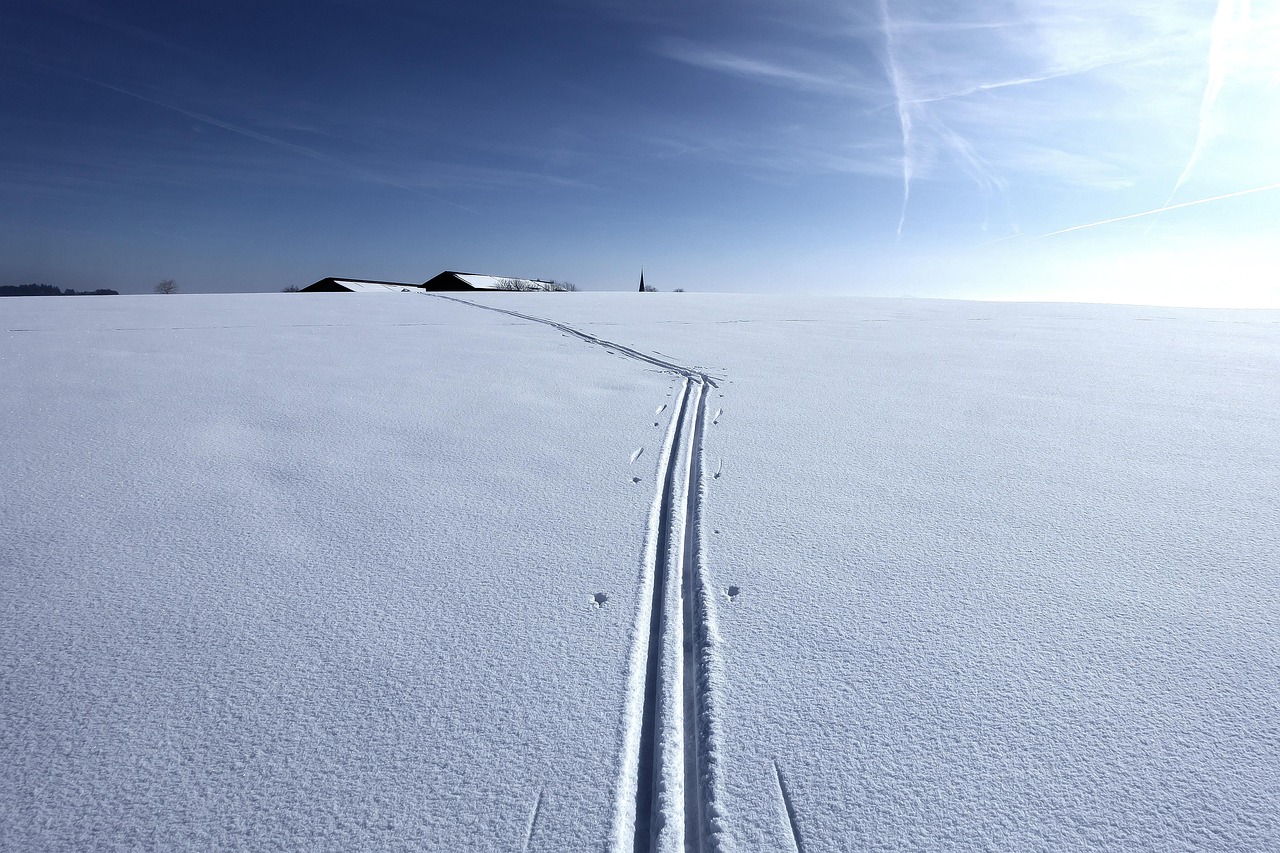
The first hard freeze changes everything. The garden beds go brown and flat. The hoses have to be drained and coiled. The animals start spending more time in the barn, and the barn starts smelling like warm hay and damp wool, which is one of the best smells there is. The days get short in a way that feels almost personal, and the work of the homestead narrows down to the essentials: water, feed, warmth, light.
People who do not live this way sometimes imagine winter as a kind of endurance test, a grim waiting for spring. It is not that. It is a different mode. The outdoor chores are shorter and more urgent—you do not linger in the cold the way you linger in June—but the indoor work expands to fill the space. This is the season for mending, for planning next year's garden, for reading the seed catalogs that start arriving in the mail like small promises. The pace is slower and the stakes feel lower, and that is a gift.
The Chores That Keep the Place Alive
Winter chores are about water and warmth. Water freezes, so every trough and bucket has to be checked, sometimes twice a day, and broken ice is part of the morning round. The animals need more feed because they are burning calories to stay warm. The chickens slow their laying, and the goats grow thick coats and stand in the sun whenever it appears. I keep a headlamp by the door because more of the chores happen in the dark, and I have learned to do them by feel as much as by sight.
Inside, the woodstove becomes the center of the house. I keep a kettle on top of it for humidity and for tea. I dry laundry on a rack near it, and I have learned that a house heated by wood has a particular smell and a particular rhythm—the fire needs feeding, the ashes need emptying, the flue needs watching. It is more work than a thermostat. It is also more satisfying, and I would not trade it.
What the Slow Season Is Actually For
I think winter exists, in part, to force a kind of rest that we would not choose for ourselves. The garden will not let you rest in July. There is always something to pick or plant or water or weed. But in January, the beds are asleep, and you are released from the obligation to be productive out there. What is left is the quiet work of thinking. What worked this year. What did not. What to plant more of. What to let go.
I do my best planning in winter. I sit with a notebook and a cup of something hot and I draw the garden on graph paper, rotating crops and moving beds and making grand plans that I will mostly abandon by June. That is fine. The planning is not really about the plan. It is about staying in relationship with the place during the months when the place is not asking anything of you. By the time the first daffodils push up, I am ready. Not rested exactly—there is no such thing on a homestead—but reset. The slow season has done its work, and I am glad it comes every year, whether I think I want it or not.