Sourdough Without the Ceremony: A Starter That Fits a Busy Life
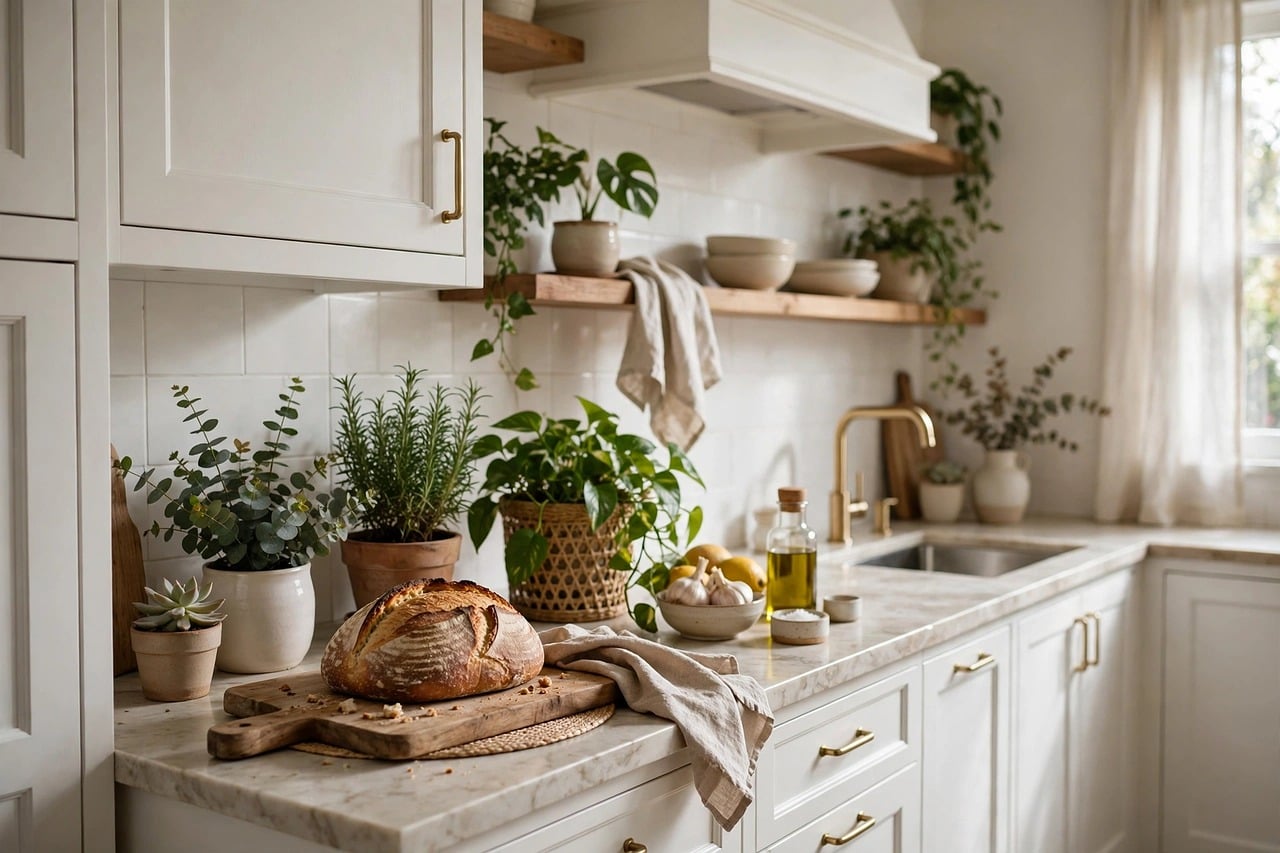
Every sourdough guide I read in my first year of keeping a starter made it sound like a delicate pet. Feed it at the same time every day. Use filtered water at exactly 78 degrees. Watch for the peak, the fall, the hooch, the mood swings. I killed three starters before I admitted that I don't live a life with that kind of schedule, and I probably never will.
The starter I have now is four years old. It lives in a quart jar in the back of the fridge, gets fed maybe once a week, sometimes less, and has never once complained. It makes a loaf that my family eats without comment, which is the highest praise bread can get around here.
The Lazy Starter Method
Here's what actually works. Mix equal parts by weight of flour and water, about 50 grams each, in a clean jar. Stir, cover loosely, leave on the counter for a day or two until it bubbles and smells like yogurt. Then put it in the fridge. That's it. That's the whole method.
When you want to bake, take it out the night before. Pour off any dark liquid on top, which is just alcohol from the yeast, and stir the rest together. Feed it with equal parts flour and water, leave it on the counter overnight, and by morning it should be domed and spongy. If it's not, give it another few hours. If it's flat and smells like nail polish, feed it again and wait. Starters are forgiving once you stop hovering.
I use a blend of bread flour and whole wheat, roughly three to one. The whole wheat gives it something to chew on. I don't measure the water temperature. I use tap water, which is fine in most places, and if your water is heavily chlorinated, just let it sit out overnight before using it.
Baking on a Weekday Schedule
The trick to fitting bread into a working week is to let the dough do its rising while you do other things. I mix the dough in the morning before chores, using about 100 grams of active starter, 350 grams of water, 500 grams of flour, and 10 grams of salt. I stir it with a wooden spoon until it's shaggy, cover the bowl, and walk away.
Every hour or so, when I pass through the kitchen, I fold it over on itself a few times with a wet hand. Four or five folds over the course of the day is plenty. In the evening I shape it, put it in a floured cloth in a bowl, and stick it in the fridge overnight. The next morning I bake it in a preheated Dutch oven at 450 for about 45 minutes, lid on for the first 25.
It's not artisanal. It's not Instagram. It's bread that costs about a dollar a loaf and tastes better than anything from the store, and it fits into a life that includes goats, kids, and a day job. That's the kind of sourdough I can keep.