The Case for Doing Less: Why I Let Some Chores Wait Until Tomorrow
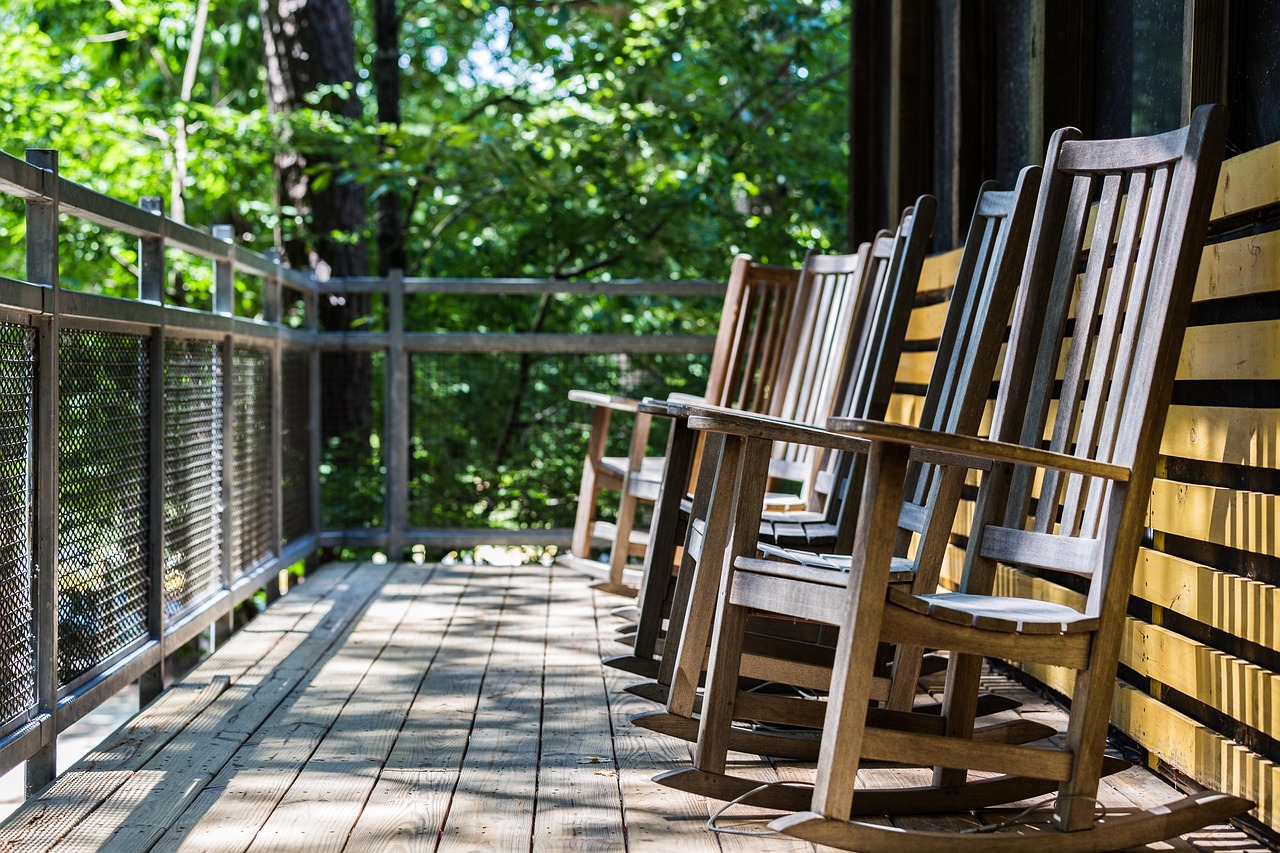
There is a particular kind of guilt that comes with living on a small property. It shows up when you're sitting on the porch with a cup of coffee and you can see, out of the corner of your eye, the fence post that needs resetting, the garlic bed that needs mulching, the gutter that's pulling loose on the north side of the barn. The list never ends, and for a long time I treated that list like a debt that accrued interest every hour I ignored it.
What changed things for me wasn't a productivity system or a new planner. It was a rainy Tuesday in late October when I stayed inside, made soup, and read half a novel. Nothing fell apart. The chickens still got fed. The goats still got hay. The world kept turning, and I woke up the next morning with more energy for the work than I'd had in weeks.
The Myth of the Endless To-Do List
Homesteading content online can make it look like the goal is maximum output. Somebody is always rotating cover crops, building a new chicken tractor, fermenting something, rendering tallow, and hand-dipping candles, all before lunch. I don't know who these people are, and I suspect many of them are either exaggerating or running on fumes.
On a small property, the real skill isn't doing more. It's deciding what actually matters this week. The garlic needs to go in before the ground freezes, so that's non-negotiable. The fence post can wait until spring if the wire is still holding. The gutter can wait until I've got a dry day and a ladder I trust. When I started ranking chores by consequence instead of by visibility, the list got shorter and my days got longer.
There's also something to be said for letting a task sit long enough that it solves itself. Half the brush I meant to clear last summer got eaten down by the goats before I ever picked up the loppers. The pallet I was going to haul to the dump became the base of a compost bin. A little patience is a tool, and it's free.
What Rest Actually Gives Back
When I stopped treating rest as something I had to earn, I noticed the work got better. I catch more when I'm not rushed. I notice the hen with the slightly droopy wing before it becomes a problem. I see that the tomato plants are curling in a way that means aphids, not drought. Slowness isn't the opposite of good stewardship. It's part of it.
So now I keep a short list each morning, usually three things, and I try to finish by mid-afternoon. Whatever doesn't get done rolls to tomorrow without ceremony. Some evenings I walk the property with no tools in my hands, just to look. That walk has taught me more about this acre than any amount of frantic digging ever did.
If you're new to this life, or if you've been at it long enough to feel worn thin, try leaving something undone on purpose. Not everything. Just one thing. See what happens. Most likely, nothing bad. Possibly, something good.