A Kitchen That Runs on What the Garden Gives
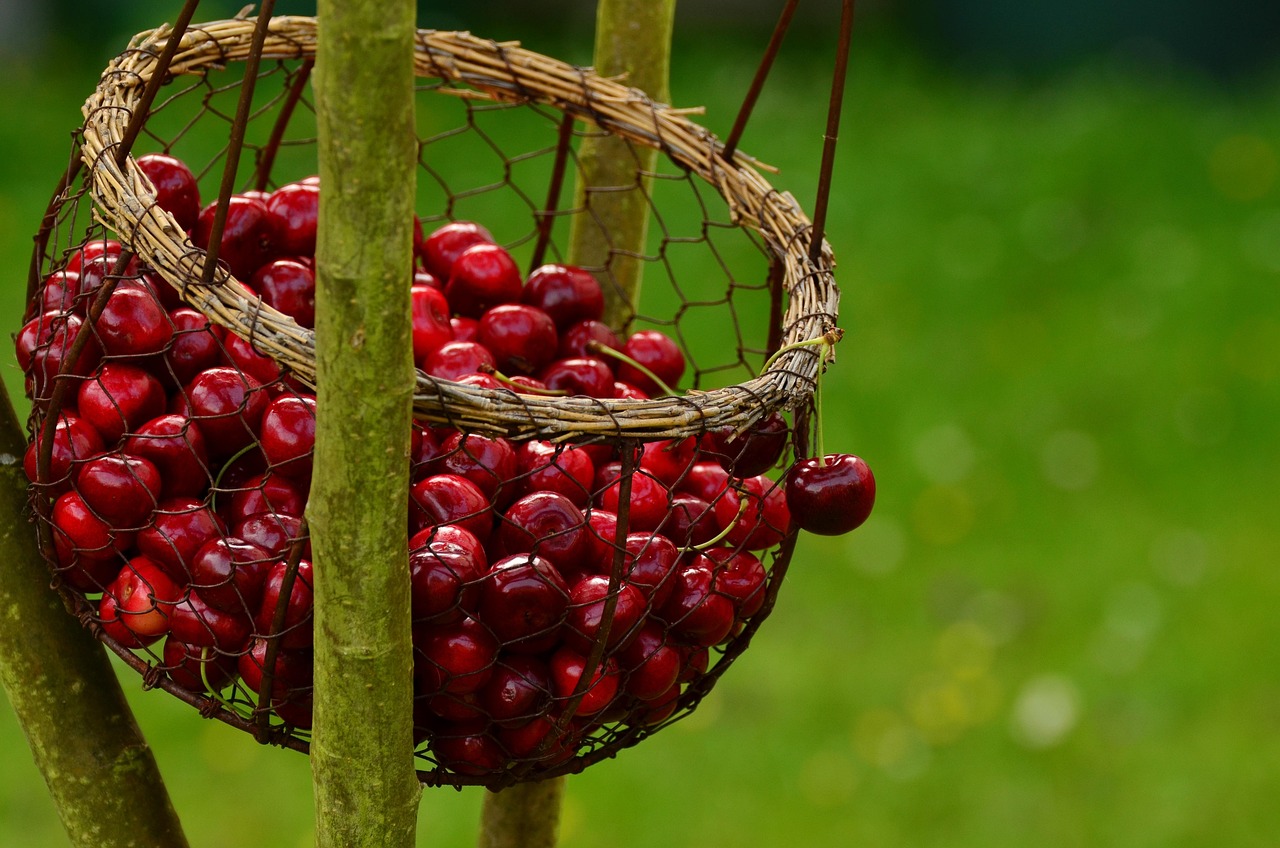
The first summer I had a real garden, I made the mistake of planning meals first and then going out to see what was ripe. It did not go well. I would decide on a recipe, gather my ingredients list, walk out to the beds, and discover that the tomatoes were still two weeks out or the beans had gone past their prime while I was not looking. The garden does not care about your menu plan. It has its own schedule, and the sooner you learn to submit to it, the better your kitchen will be.
So I changed the order. Now I walk out to the garden with a basket and no plan. I pick what is ready. I bring it in, spread it on the counter, and only then decide what to make. This sounds like a small change. It is actually a complete reorientation. It means that some weeks we eat zucchini six ways, and some weeks we eat almost nothing but greens, and some weeks the harvest is so thin that we rely on the pantry and the freezer and I am grateful I put up what I did last fall. The kitchen is no longer in charge. The beds are.
The Skills That Actually Matter
You do not need a lot of fancy techniques to cook from a garden. You need a few reliable ones. Roasting is the workhorse—almost any vegetable, tossed in oil and salt, at a high temperature, until the edges go dark. Sautéing with garlic and good fat is the second. Pickling and fermenting are the third, and they are how you deal with the weeks when everything comes at once. A jar of quick-pickled radishes or a crock of sauerkraut turns a glut into something you will still be eating in February.
The other skill is learning to use the whole thing. Beet greens, carrot tops, radish pods, squash blossoms. The parts we usually throw away are often the parts that make a dish interesting. I am not talking about frugality for its own sake. I am talking about the fact that a beet green sautéed in olive oil with a little garlic is genuinely delicious, and once you know that, throwing the greens away feels like a small crime.
Eating With the Season Rather Than Against It
There is a particular pleasure in eating a tomato in August that you cannot get from a tomato in January, and the reason is not just flavor. It is context. The August tomato belongs to a specific set of conditions—the heat, the long light, the particular exhaustion of a garden at its peak. You taste the moment, not just the fruit. This is the thing that slow food people mean when they talk about seasonality, and it is not a pose. It is a real difference in how food lands in your body and your memory.
The trade-off is that winter is thin. There is only so much you can preserve, and by March you are tired of squash and canned tomatoes and you would pay almost anything for a fresh cucumber. That is part of the deal. The year has a shape, and the shape includes scarcity. I have come to appreciate the scarcity. It makes the first asparagus of spring taste like something that happened to me rather than something I bought. If you are just starting out, plant more than you think you need of the things you love, learn one reliable preservation method, and let the garden tell you what is for dinner. It will not steer you wrong.