Keeping a Small Flock of Chickens Without Losing Your Mind
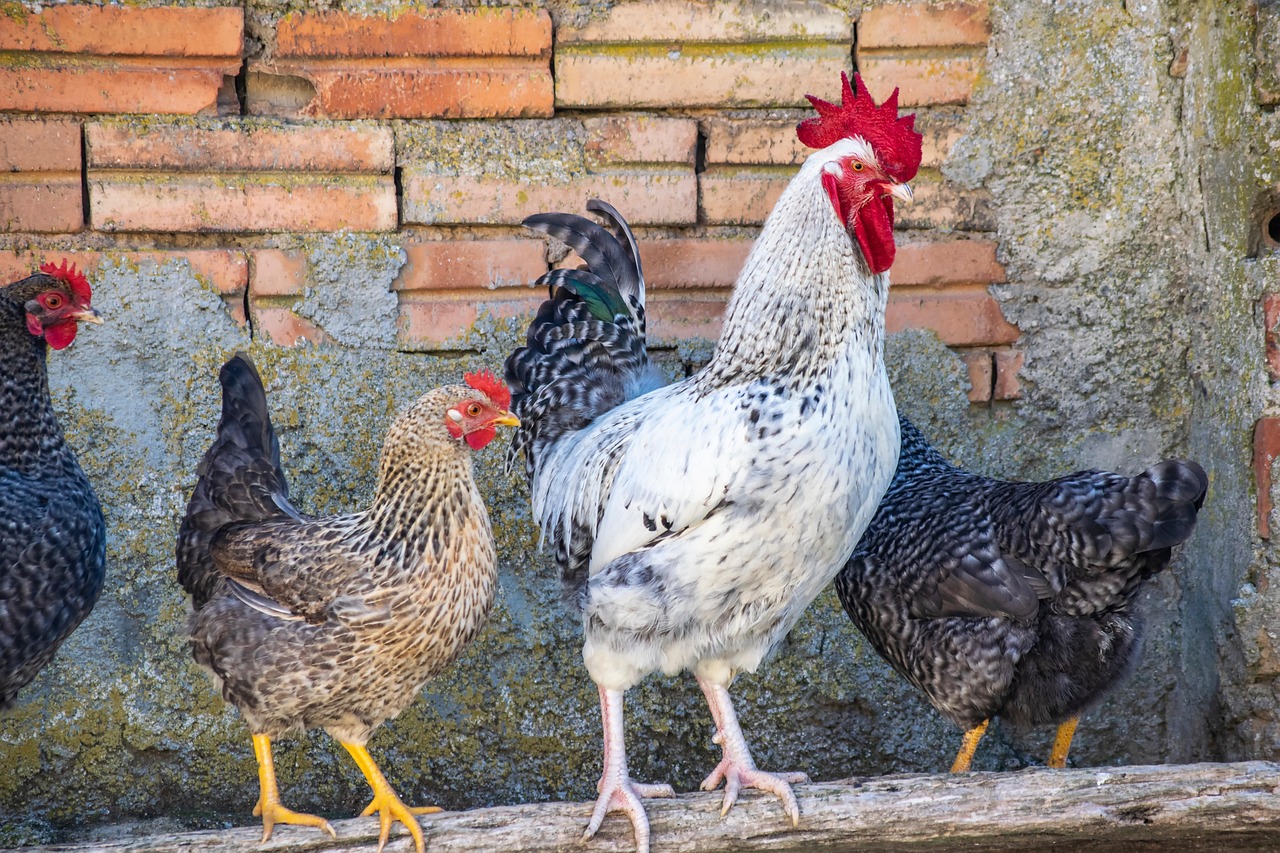
Everyone says chickens are the easy animal, and in some ways they are. They eat almost anything, they mostly take care of themselves, and they pay you back in eggs. But easy is a relative word, and the first year with a small flock will teach you that chickens have a talent for finding the exact flaw in your setup and exploiting it within a week. I say this with affection. My flock has given me more pleasure than almost anything else on this property, and also more lessons in humility.
The single most useful thing I did before bringing chickens home was to walk the perimeter of where they would live and look for gaps. Then I looked again. Then I asked a friend to look. Chickens are prey animals, and everything from hawks to raccoons to the neighbor's dog will consider them a meal. Hardware cloth buried a few inches into the ground is not paranoia. It is the bare minimum. The raccoons in my area can open a simple latch, so I use carabiners on every door. It feels excessive until the first time you find a raccoon sitting calmly on your coop roof at dusk, waiting for you to make a mistake.
Feed, Water, and the Small Daily Round
Day to day, chickens need less than you think. Fresh water, layer feed, a handful of scratch, and a place to dust bathe. I fill their waterer every morning and their feeder every few days. I collect eggs in the afternoon, because leaving them out invites breakage and, occasionally, a chicken who has decided she prefers her eggs scrambled by her own feet. I check feet and vents once a week, mostly as a habit, because problems caught early are cheap to fix and problems caught late are not.
The thing nobody tells you is how much personality they have. There is a hen in my flock named Biscuit who has appointed herself the greeter. She follows me around the yard, narrating my every move in a low, running commentary. There is another, a small black one, who refuses to use the nest boxes and instead lays in a particular corner of the run, hidden behind a bucket, and will not be talked out of it. You can read all the chicken books in the world and still be surprised by the individuals you end up with.
The Unromantic Parts Worth Knowing
Chickens get sick. They get mites. They get egg-bound. They get picked on by other chickens, sometimes badly. Part of keeping them well is learning to recognize the difference between a bird having a bad day and a bird that needs intervention. A chicken who is quiet and hunched and off her feed is almost always telling you something. If you only learn one diagnostic skill, learn that one.
They also die, sometimes for reasons you will never fully understand, and that is hard in a way that surprises people who think of chickens as livestock. You get attached. You name them. You notice their small routines and their particular voices. When one goes, it leaves a hole that is out of proportion to her size. I think that is fine. It means you were paying attention. The whole point of keeping animals, even small ones, is that they pull you into a relationship with something that is not you—something with its own needs and its own schedule and its own ideas about how the day should go. That is the gift, and it is worth the trouble.