Preserving the Harvest Without a Pressure Canner
Every August, the same conversation happens at the feed store. Somebody's tomatoes are coming in faster than they can eat them, and somebody else says, "You should can them," and the first person says, "I don't have a pressure canner," and the conversation stalls. I want to gently push back on that. You can put up a lot of food without a pressure canner, and in some cases you'll end up with a better product.
I do own a water bath canner, which is just a big pot with a rack, and I use it for high-acid things like tomatoes, pickles, and jam. But most of what comes out of my garden goes into the freezer, the dehydrator, or a cool corner of the pantry, and none of that requires special equipment.
Freezing: The Underrated Workhorse
The freezer is the most forgiving preservation tool in the house. Almost anything can go in it, and if you package it well, it'll keep for a year. The trick is to blanch vegetables first. Drop them in boiling water for a minute or two, then straight into ice water, then drain and freeze. This stops the enzymes that would otherwise turn your green beans to mush.
Tomatoes don't need blanching. I core them, drop them whole into freezer bags, and pull them out in January for sauce. The skins slip off under warm water. Peppers, onions, and herbs can go straight into the freezer chopped. Berries freeze beautifully on a sheet pan first so they don't clump, then into bags. I label everything with a Sharpie and the month, because I have absolutely no memory for what's in the bottom of the chest freezer.
A chest freezer pays for itself quickly if you have the space and the electricity is reliable. Ours is a small one, and it holds a summer's worth of garden produce plus a quarter of a hog from a neighbor.
Drying and Root Cellaring
A dehydrator is another small investment that earns its keep. I dry herbs, apple slices, tomatoes, and hot peppers. Herbs dry fine in a paper bag on the counter, but a dehydrator makes short work of bigger batches. Dried tomatoes packed in oil are one of the great luxuries of a winter kitchen, and they cost almost nothing if you grew the tomatoes.
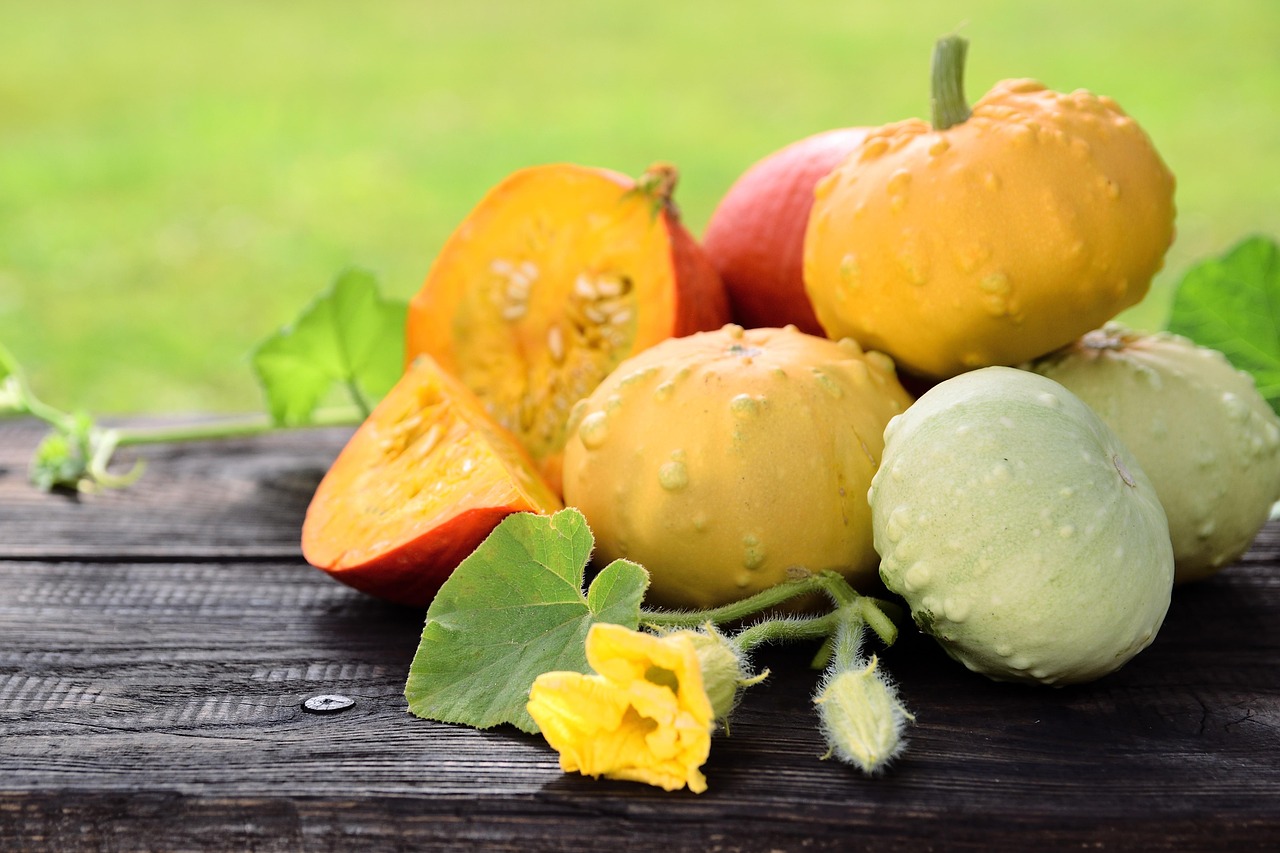
Root cellaring is the oldest method and the cheapest. Winter squash, potatoes, onions, garlic, carrots, and beets all keep for months in a cool, dark, humid place. A basement corner works. So does an unheated closet on an exterior wall. The trick is to keep them away from each other, since apples and onions release gases that make other things sprout. I use cardboard boxes and wooden crates, and I check them every couple of weeks for anything going soft.
Between the freezer, the dehydrator, and the pantry shelf, I put up most of what we eat between November and March without ever firing up a pressure canner. If you've been putting off preserving because you thought you needed more gear, you don't. Start with what you have.