The Small Orchard: Growing Fruit Trees on a Quarter Acre
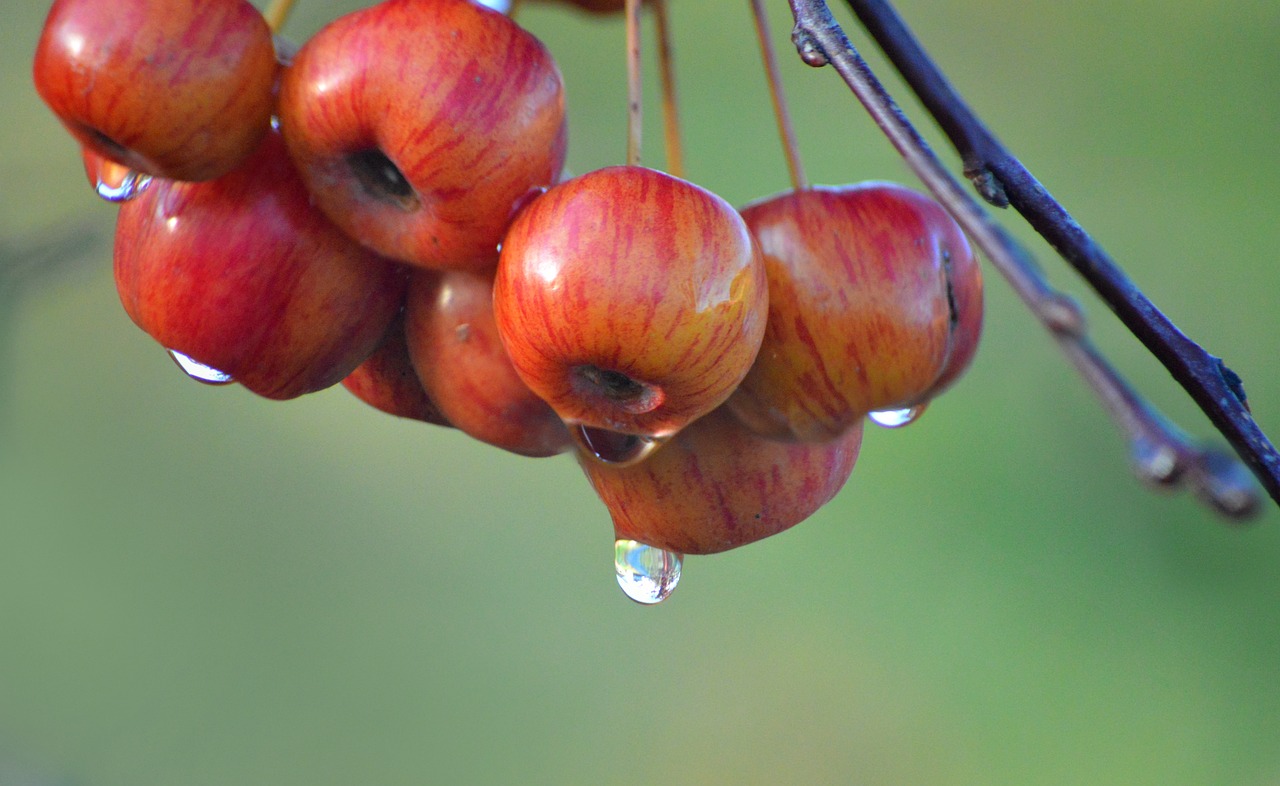
When we moved onto this place, the back corner was a tangle of blackberry vines and a half-dead plum tree that had been left to its own devices for a decade. I almost cut the plum down. I'm glad I didn't, because that tree now gives us more fruit than we can eat, and it taught me most of what I know about growing fruit on a small scale.
You don't need a farm to have an orchard. You need a sunny spot, decent drainage, and the willingness to make a few mistakes in the first three years. Here's how I'd do it again if I were starting over.
Choosing Trees That Fit Your Space
The biggest mistake small-property growers make is buying standard-size trees. A standard apple can reach 25 feet and spread nearly as wide, which is wonderful if you have room and a ladder, and a nightmare if you don't. Look for dwarf or semi-dwarf rootstock. A dwarf apple stays around 8 to 10 feet, produces fruit in three or four years, and can be kept even smaller with pruning.
Think about pollination before you buy. Some fruit trees need a partner of a different variety blooming at the same time to set fruit. Apples and pears usually do. Peaches, nectarines, and most plums are self-fertile and can stand alone. If you're short on space, look for trees labeled self-fertile, or plant two varieties that bloom together and train them as a single espalier against a fence.
I've had good luck with apples, pears, plums, and figs. Cherries have been a struggle here because of the birds, and apricots are hit-or-miss depending on late frosts. Plant what grows well in your area rather than what you wish grew well. Your county extension office usually has a list, and it's free.
Planting, Pruning, and Patience
Plant bare-root trees in late winter while they're still dormant. Dig a hole wider than the roots but no deeper than the tree was growing in the nursery, which you can usually see by a slight color change on the trunk. Amend the soil with compost, but don't overdo it. Fruit trees don't like rich soil; they like balanced soil. Water deeply the first year, especially through dry spells, and mulch around the base, keeping the mulch a few inches away from the trunk.
Pruning is where people freeze up, and I understand why. It feels destructive. But an unpruned fruit tree becomes a crowded mess that produces small, diseased fruit on branches you can't reach. The goal is an open center or a central leader with well-spaced branches, plenty of airflow, and sunlight reaching the interior. Prune in late winter while the tree is dormant. Take out dead wood, crossing branches, and anything growing straight up. When in doubt, take out less than you think you should. You can always prune more next year.
The first few years are mostly about roots and structure. Don't expect much fruit. Then one spring the tree will surprise you, and you'll be standing in the yard with a bucket, wondering what to do with forty pounds of plums. That's a good problem, and it's one you can have on a quarter acre.