Slots, Poker, and the Real Math Behind Casino Games
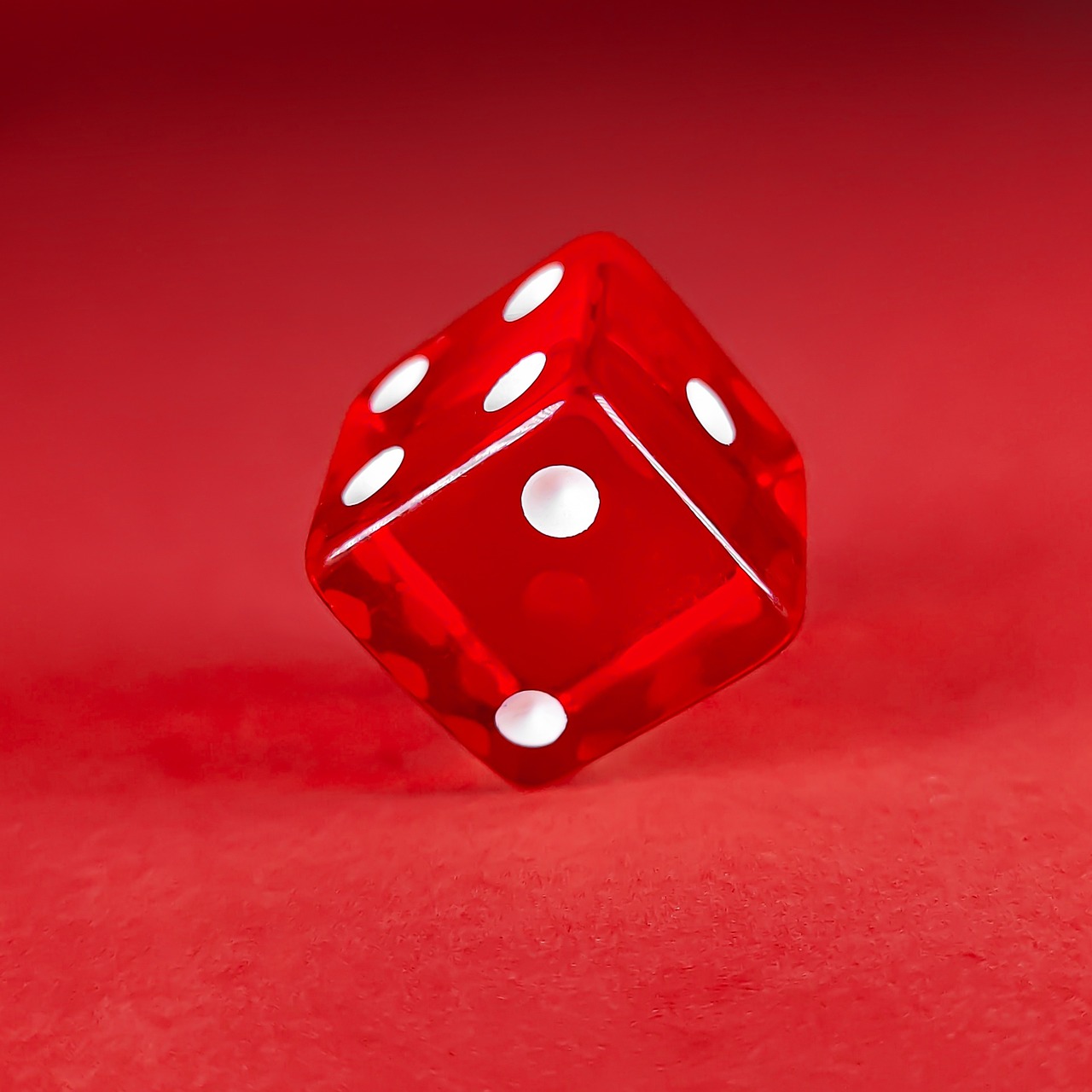
Most people who walk into a casino or open a betting app believe they are playing against the house. That's only half true. You are actually playing against a number — a precisely calibrated percentage that grinds away at your bankroll hour after hour. The players who last, and occasionally win, are the ones who understand that number better than the person next to them.
This isn't a lecture about quitting gambling. It's the opposite. It's a guide for anyone who genuinely enjoys slots, poker, and sports betting and wants to stop bleeding money through ignorance.
The House Edge Is Not a Myth — It's Arithmetic
Every casino game has a built-in advantage for the operator, and it varies wildly depending on what you play. Compare these real numbers:
- Blackjack (basic strategy): roughly 0.5% house edge
- Baccarat (banker bet): about 1.06%
- European roulette: 2.7%
- American roulette (with the double zero): 5.26%
- Slots: anywhere from 2% to 15%, averaging around 7-8% in most jurisdictions
- Keno: often 25% or higher
That spread matters enormously over time. A player betting $100 a hand on blackjack loses roughly 50 cents per hand on average. The same player on a typical slot machine loses $7-8 per spin. Over a thousand spins, that's a $7,500 difference in expected loss — the kind of money that could fund a very nice vacation.
None of this means slots are "bad." It means they're entertainment with a known cost, and the smart player treats them that way.
Slots: Volatility Is the Variable Nobody Talks About
The RTP (return to player) percentage is the figure every slots review screams about. A 96% RTP machine sounds fantastic. But that number is calculated over millions of spins and tells you almost nothing about what will happen in your 200-spin session. สล็อตเว็บตรง goes into the finer points.
What actually shapes your experience is variance, or volatility. Here's how it works in practice:
- Low volatility: frequent small wins. Your balance drifts down slowly. Good for long, chill sessions.
- Medium volatility: a balance between steady hits and occasional bigger payouts.
- High volatility: long dry spells punctuated by huge wins. Brutal on bankroll, thrilling when it hits.
Two machines can both have 96% RTP and feel completely different. A high-volatility slot like a Megaways or "Book of" style game might eat 300 spins before paying anything meaningful. If you sit down with a $50 bankroll and a $1 spin, that's 50 spins — you'll likely bust before the machine even warms up. Match your bankroll to the volatility. For high-volatility games, bring 200-300 times your spin size. For low volatility, 50-100 times is more reasonable.
One more thing: slot results are determined by RNGs audited by regulators, not by how long you've been playing or whether the machine is "due." The gambler's fallacy — believing a cold machine must heat up — has drained more bankrolls than any rigged game ever did.
Poker: The Only Game Where Skill Actually Beats the House
Here's what separates poker from everything else in a casino: you're not playing against the house. You're playing against other people, and the house just takes a rake. That single fact opens the door to long-term profitability.
But most recreational players never get there. They lose to the rake, to tilt, and to the fundamental math of position and odds. If you want to move the needle, focus on these three things:
- Position. Acting last in a hand is a massive edge. You see what everyone does before you decide. Playing tight from early position and widening your range on the button is the single biggest leak-fixer for beginners.
- Bankroll management. Cash game standard is 20-30 buy-ins for your stake level. Tournaments need 50-100 buy-ins because variance is brutal. Playing above your roll is how winning players go broke.
- Tilt control. The moment you start chasing losses or playing garbage hands out of frustration, your win rate collapses. Stand up. Walk away. The table will still be there tomorrow.
Online poker has made this harder and easier at once. The games are tougher and tracked by HUD software, but you have access to millions of hands of data and can play 20 tables at once. The winning players study ranges, run equity calculations, and review hand histories. The losing players watch a Twitch stream and assume they're learning.
Sports Betting: Where Sharp Money and Public Money Collide
Betting markets are efficient — mostly. Bookmakers set lines to balance action and guarantee a profit from the vig, not to predict outcomes perfectly. That's why line movement matters more than the line itself.
When a line moves from -3 to -4.5, sharp money is on one side. When 80% of public bets are on the favorite but the line doesn't move, the books are comfortable — they know something the public doesn't. Learning to read that is more valuable than any tipster service.
A few practical points that separate winning bettors from reccy players:
- Shop for lines. The difference between -110 and -105 across a season is thousands of dollars.
- Fade your favorite team. If you can't bet against them objectively, you're not betting — you're donating.
- Track every bet. A simple spreadsheet with stake, odds, and result exposes your actual edge (or lack of it) within 200 bets.
- Understand closing line value. If you consistently beat the closing line, you're a long-term winner even if short-term results look ugly.
The Bankroll Is the Game
Every experienced player — whether they grind slots, play 2/5 no-limit, or bet NBA totals — eventually arrives at the same conclusion: game selection and bankroll management matter more than the specific game itself. A mediocre poker player with excellent discipline beats a brilliant one who plays above his roll every time.
Set a separate gambling budget. Treat losing it as the cost of entertainment, not as a debt to chase. Never chase losses with money you need. These aren't clichés — they're the only rules that genuinely separate people who enjoy iGaming from people who get destroyed by it.
The games are designed to be fun first and profitable for operators second. They're also beatable, in some cases, by people who take the math seriously and leave emotion at the door. Choose which kind of player you want to be before you place your next bet.